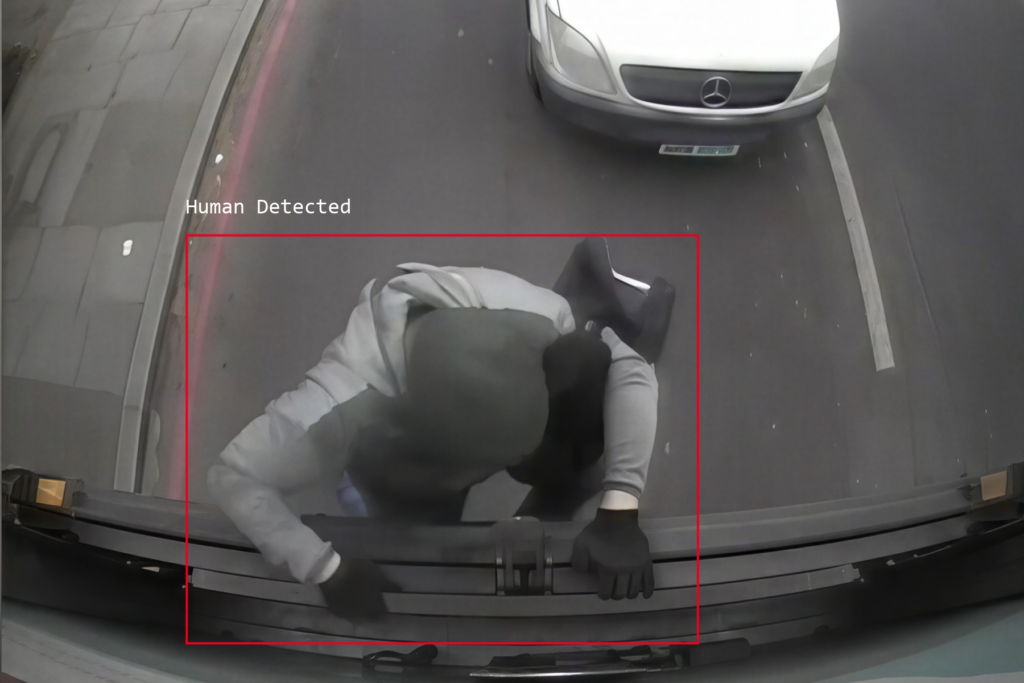
The hidden cost of false alerts in fleet security
False alerts make teams stop trusting their security. See how the Co-op cut theft by 95% with AI human detection that drivers and transport teams can act on.
Read More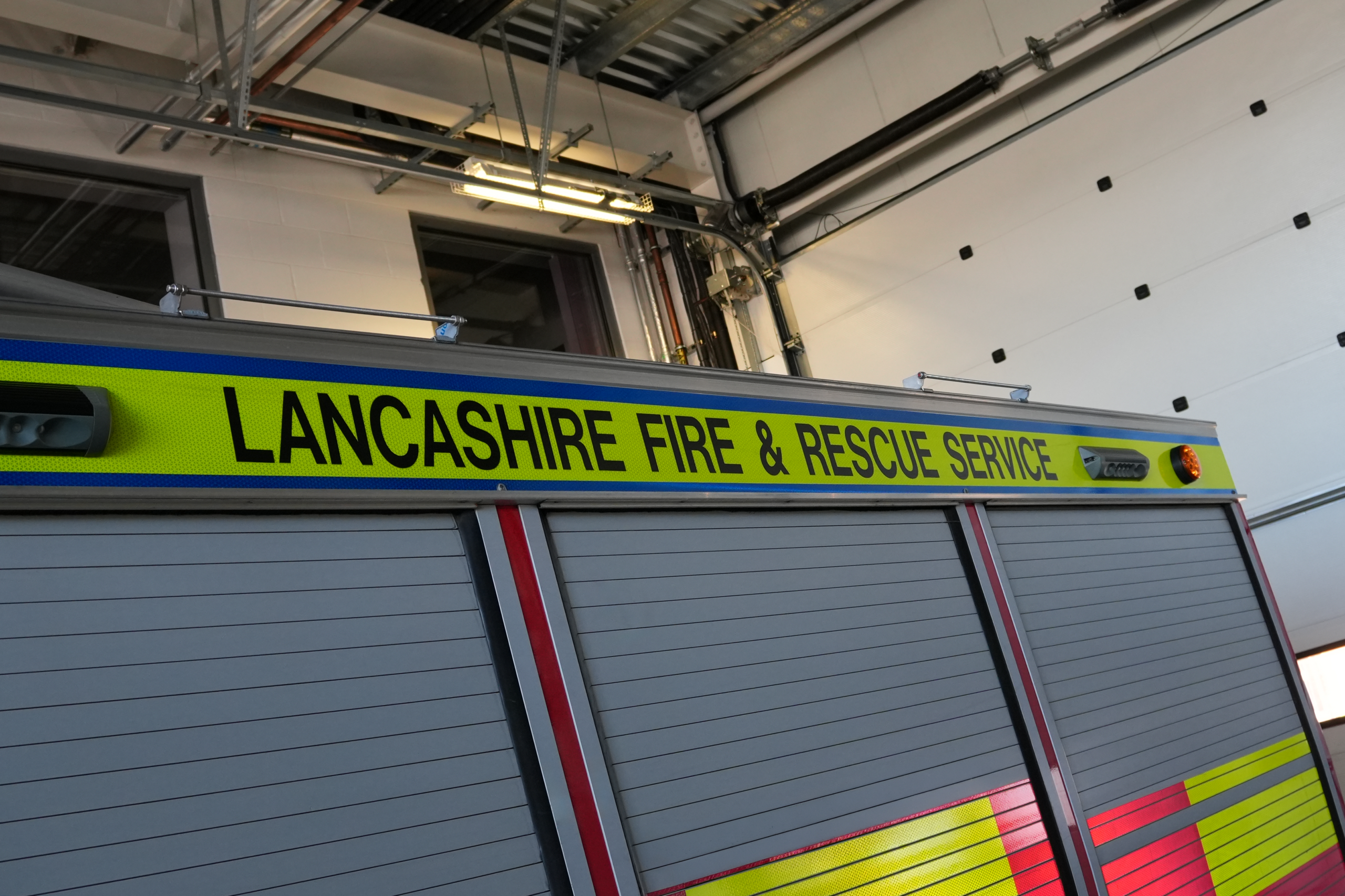
Fire engines are large vehicles with significant blind spots, and drivers regularly have to manoeuvre them at slow speed into tight or restricted spaces, whether at stations, incident scenes or in busy town centres. While banksmen and established safe operating procedures remain essential, Lancashire FRS wanted an additional layer of visibility and pedestrian awareness that could support drivers in these high-risk situations and reduce the chance of an incident before it happened.
The Service also needed a reliable way to retrieve footage quickly. Whether for investigations, training or evidence, delays in accessing footage add administrative burden and slow down resolution when it matters most.
VUE fitted its AI human detection systems across Lancashire FRS's fire engines, giving drivers zoning and grid overlays on in-cab monitors to improve spatial awareness during slow manoeuvres and close-quarters positioning. Pedestrian detection alerts add a proactive safety layer, flagging people around the vehicle in real time, particularly valuable given the size of fire engines and the blind spots they carry when operating around stations, incidents and built-up areas.
Footage retrieval is handled through VUEhub, VUE's telematics platform, allowing footage to be downloaded remotely within minutes whenever it is needed, rather than relying on manual, on-site retrieval.
VUE worked closely with Lancashire FRS to plan the installation around the Service's operational requirements, minimising disruption to frontline availability. The rollout saw 36 vehicles fitted with VUE AI human detection systems within a seven-week timeframe, completed in line with the Service's deadlines and with no disruption to operational activity. In total, 72 vehicles across the fleet are now fitted with VUE AI human detection systems.
Drivers and operators adapted to the system quickly, viewing it as a driving aid that complements their training and experience rather than a replacement for it. The camera views and pedestrian alerts have given drivers greater confidence when manoeuvring in challenging environments, and the Service has seen a reduction in slow-speed manoeuvring incidents since installation.
The system has also given drivers reassurance beyond day-to-day manoeuvring. Footage is available should an incident or allegation arise, providing an objective record of events and a layer of protection for drivers as well as evidence when required. Retrieval through VUEhub has made this process straightforward, saving time and reducing administrative effort for the Service.
The success of the rollout and positive feedback from operators have reinforced the value of the camera system across Lancashire FRS's fleet. As the Service continues its vehicle replacement and procurement programmes, VUE remains a key technology partner, with camera systems set to play an ongoing role in Lancashire FRS's fleet safety strategy.
The rollout reflects a wider shift across the fire and rescue sector toward proactive, technology-led approaches to driver and public safety, extending traditional safe operating procedures rather than replacing them.

False alerts make teams stop trusting their security. See how the Co-op cut theft by 95% with AI human detection that drivers and transport teams can act on.
Read More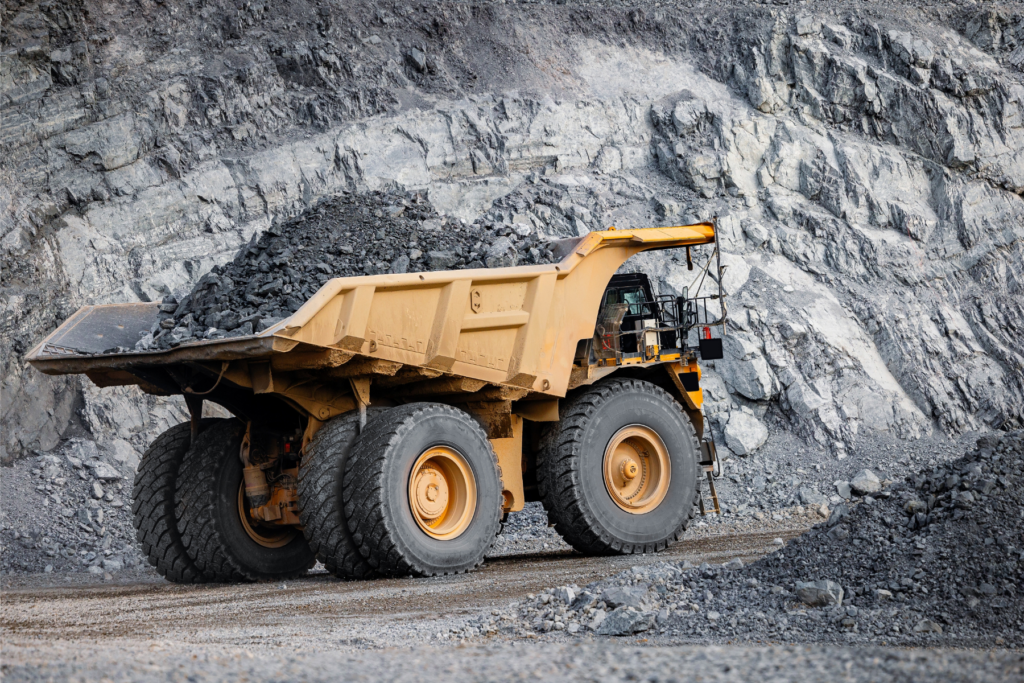
VUE has strengthened quarry safety expertise with five engineers achieving SPA MPQC Quarry Passport certification, supporting safer operations and industry-wide safety improvements.
Read More
Learn how VUEhub’s activity and footage audit logs strengthen GDPR compliance by tracking platform access and video data.
Read More