Global HDD and SSD Shortage: What Fleet Operators Need to Know
Storage is a critical part of modern fleet technology. Vehicle camera systems depend on it to record, retain and retrieve footage when it matters. However, the global market for hard disk drives (HDDs) and solid-state drives (SSDs) is under growing pressure, affecting availability, lead times and pricing.
What is driving the HDD and SSD shortage?
The rapid expansion of artificial intelligence and large-scale data centres is a major factor. AI applications generate and process enormous amounts of data, which must be stored and accessed efficiently. This is creating substantial demand for both high-capacity HDDs and enterprise-grade SSDs.
HDDs remain valuable for storing large volumes of data cost-effectively, while SSDs are used where faster access and performance are required. As cloud and AI providers secure greater volumes of both technologies, the supply available to other buyers is coming under increased pressure.
The SSD market faces additional pressure because SSDs rely on NAND flash memory, which is used across servers, computers and other electronic devices. Manufacturers are prioritising higher-value enterprise applications, while some storage demand affected by HDD constraints is also moving towards SSD alternatives.
What does this mean for fleet operators?
For fleets using vehicle CCTV and video telematics, storage capacity directly affects how much footage can be retained. Requirements vary depending on the number of cameras, recording resolution, vehicle operating hours and required retention period.
Current market conditions may result in:
- Longer lead times for certain storage devices
- Changes to available drive sizes or specifications
- Greater price volatility
- A need to consider approved alternative storage options
Fleet operators should review upcoming installations, replacement requirements and recording capacity as early as possible. Planning ahead provides more time to secure a suitable option and reduces the risk of storage availability delaying a wider vehicle technology deployment.
HDDs and SSDs: what is the difference?
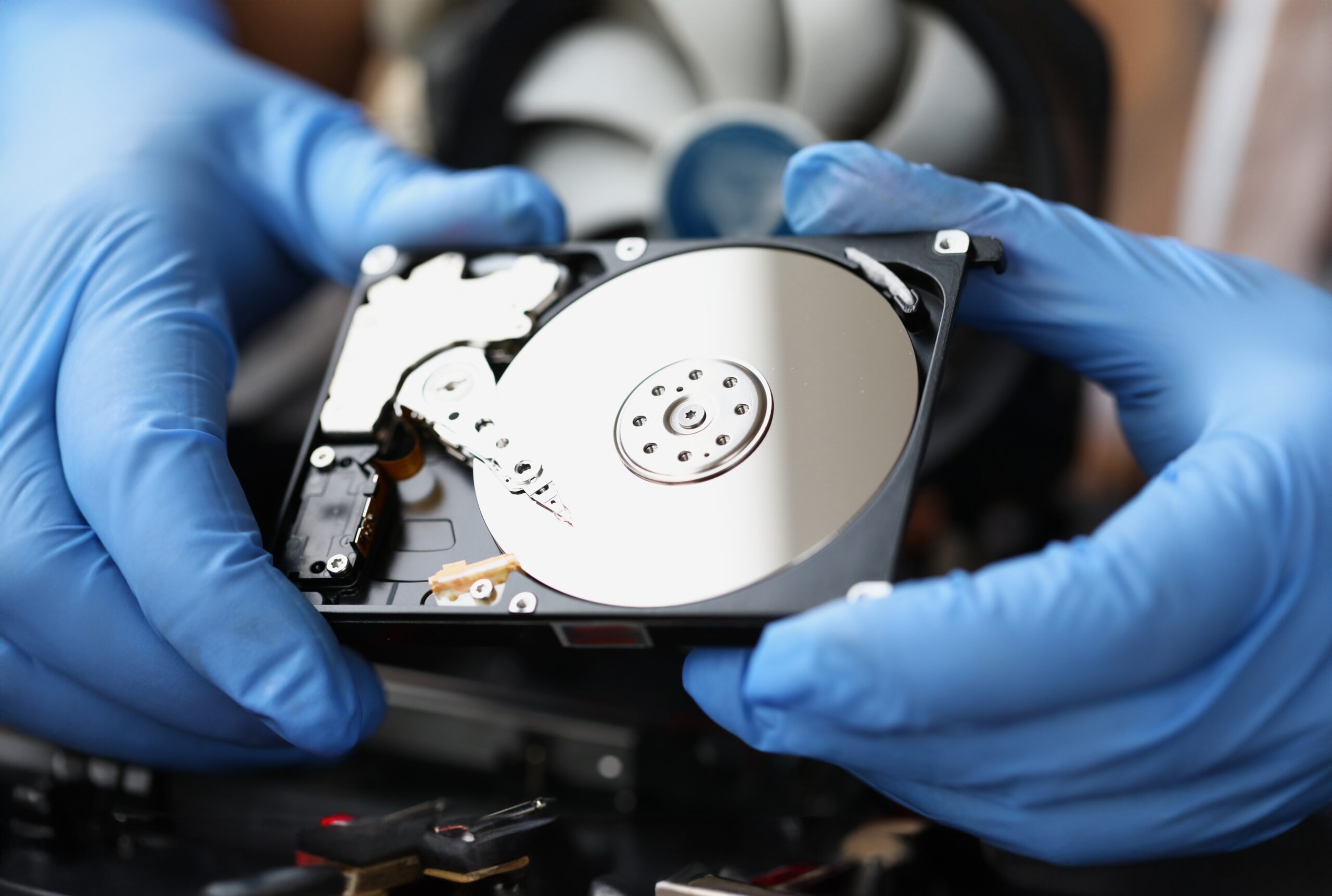
An HDD stores data on rotating magnetic disks and uses mechanical components to read and write information. HDDs have traditionally offered high storage capacity at a comparatively low cost, making them widely used for bulk storage.
An SSD uses flash memory and has no moving parts. In vehicle environments, this can provide several practical benefits:
- - Faster data processing and footage access
- - Greater resistance to shock and vibration
- - Fewer mechanical points of failure
- - Lower heat generation and power consumption
- - Reduced weight
These characteristics can make SSDs a strong alternative for vehicle recording systems. However, any replacement drive must still be approved and tested for the equipment in which it will operate. Capacity alone does not guarantee compatibility or suitable recording performance.
How VUE is responding
VUE has been closely monitoring the storage market and working with global suppliers to reduce disruption. We have increased stock where possible and are reviewing alternative solutions that maintain the required functionality while minimising additional cost.
Our priority is to provide storage options suited to the intended recording system and the operational needs of each fleet. Because supply and pricing remain changeable, individual requirements should be reviewed at the point of enquiry rather than relying on a fixed product specification.
Plan ahead for your fleet storage requirements
The storage shortage is a global industry issue, and its impact will vary by drive type, capacity and application. Fleet operators can reduce the risk of disruption by identifying future requirements early and remaining open to suitable, approved alternatives.
If you have an upcoming storage requirement or want to understand how these market conditions could affect your fleet, contact your VUE Account Manager or call the VUE Support Team on 0161 877 2257.