
Persimmon Homes Deploys VUE’s HFR AI Technology to Enhance Site Safety
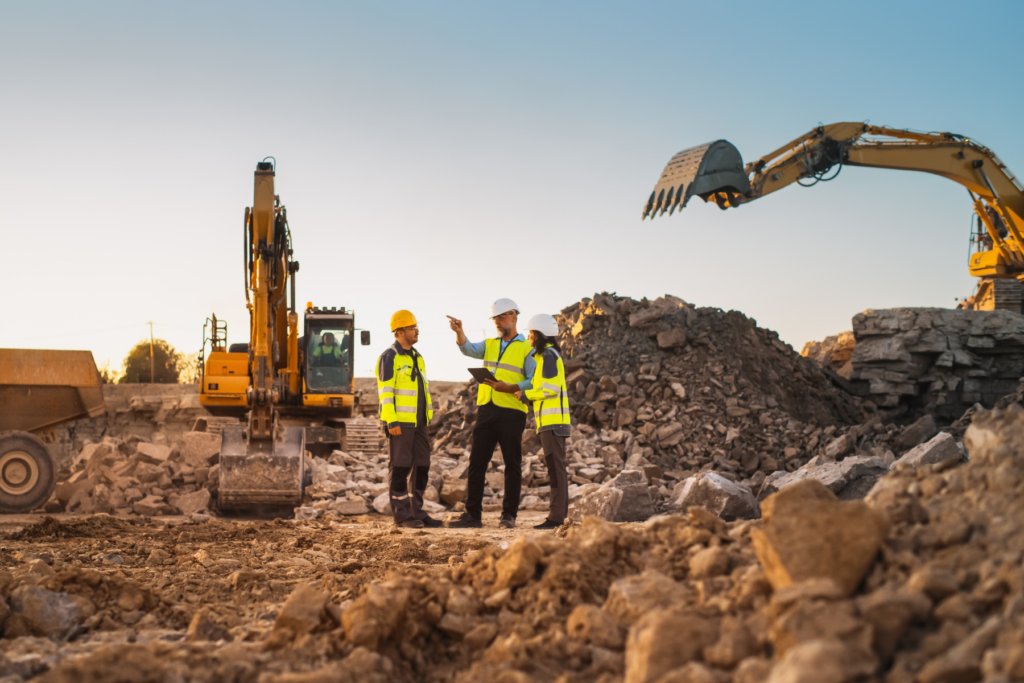
Persimmon Homes partners with VUE to deploy Human Form Recognition (HFR) AI camera kits across its national fleet of JCB and Manitou telehandlers.
Read More
Under Article 35 of EU and UK GDPR, organisations must complete a DPIA where data processing poses a high risk to individuals’ rights and freedoms. Additionally, the ICO states that surveillance requires a data protection by design and default approach and a DPIA is required where high risk is likely to individuals.
The Irish Data Protection Commission notes that a DPIA is required where processing involves evaluation or scoring, including profiling and predicting, location or movements.
Rolling out fleet-wide cameras and telematics usually requires a DPIA by law, but more importantly it is a key tool for delivering safety, claims defensibility and a purposeful solution, without undermining the people monitored.
A Data Protection Impact Assessment (DPIA) is a risk assessment for personal data. It documents what data is processed, how it’s processed and identifies and reduces project risks. A DPIA requires the following:
A description of the project
Documents why the system is needed, its benefits, who and what it applies to and system features.
Security and access measures
Details protections, access rights and measures that ensure data accuracy throughout processing.
Assessment of necessity and proportionality
Ensures telematics use is justified and minimally intrusive.
A DPIA documents why and how video telematics is used and identifies how risks are managed. It demonstrates compliance to regulators and ultimately, can reduce the likelihood of regulatory fines even if something is unintentionally missed from the assessment.
You design the right solution
Ensures only necessary features are implemented. This delivers a justified, compliant and cost-effective solution.
You clarify purpose
Creates clear intent, ensuring the system is built for real needs and creates solutions that people actually use.
You get better safety and risk outcomes
Risks are identified and mitigated before the project starts.
You get faster approvals and fewer internal battles
Aligns all stakeholders, reduces objections and ensures transparent use of video telematics. Early consultation and clear rules build driver trust and position cameras as driver protection rather than surveillance.
You reduce regulatory and legal risk
Proves GDPR accountability and strengthens your position in legal or union challenges.
Not doing a DPIA isn't just skipping paperwork but instead increases the risk of problems for the organisation.
Greater regulatory and legal risk
Skipping a DPIA risks GDPR non-compliance, regulatory fines, costly changes and difficulty justifying decisions if investigated.
Weaker position in disputes and claims
Video telematics is key to collisions investigations, insurance disputes and employment issues, but without prior privacy and fairness assessment, footage may be challenged as inadmissible.
Damage to trust
Without consultation, cameras can erode driver trust and increase resistance from employees. A DPIA encourages risk assessment and consultation with drivers or their representatives.
As a long-standing provider of vehicle cameras, telematics and fleet risk management solutions, VUE is experienced in working with organisations that take compliance seriously.
When working with VUE as your video telematics partner, we can:

Persimmon Homes partners with VUE to deploy Human Form Recognition (HFR) AI camera kits across its national fleet of JCB and Manitou telehandlers.
Read More
VUE's new Managed Service offering for Fleets to be more proactive with their operations, saving downtime and optimising business functions
Read More
UK winter road conditions demand extra vigilance. See how VUE camera and telematics systems help HGV fleets reduce risk and improve safety.
Read More